

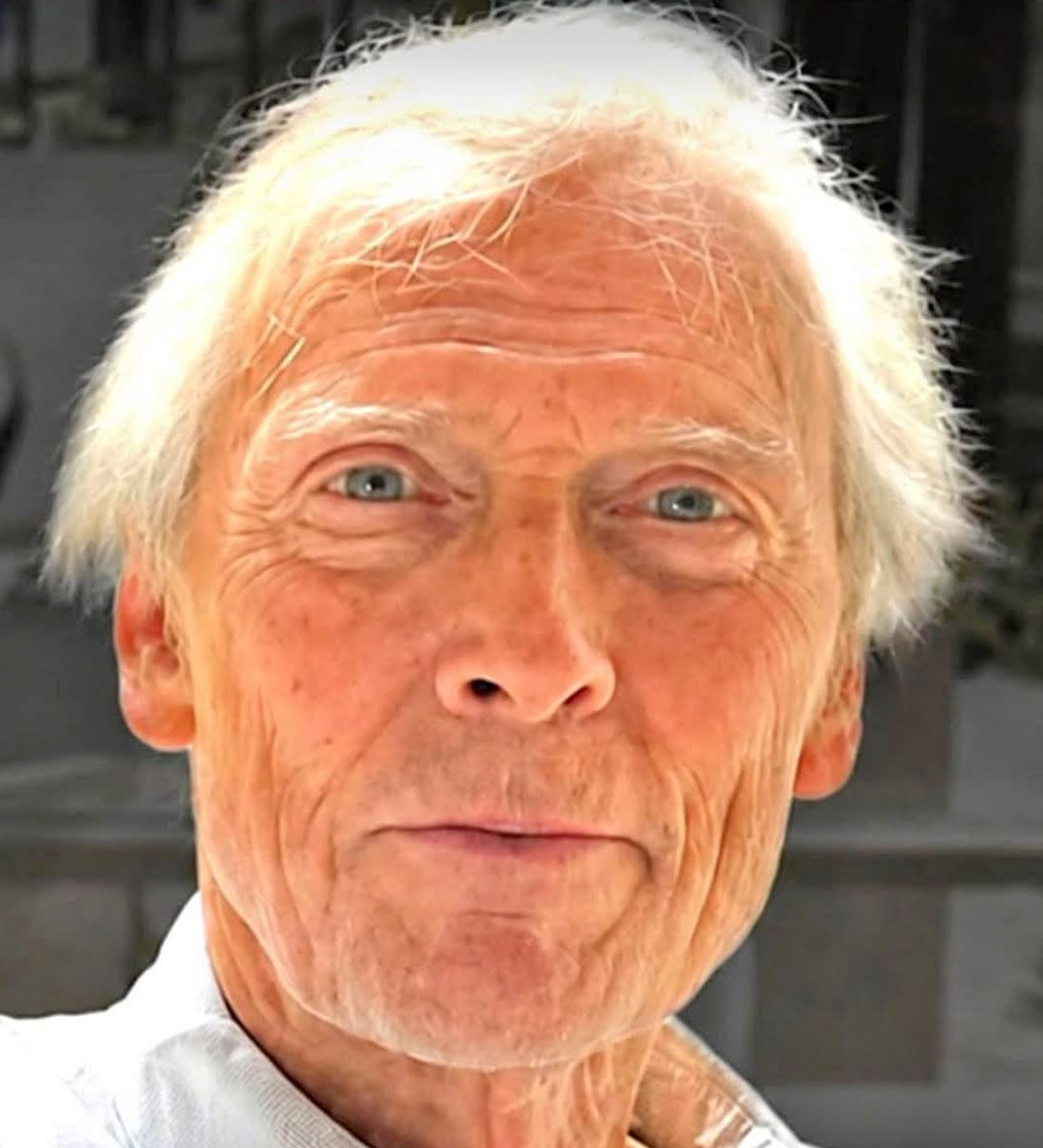
Clint Eastwood Rumors Spread Online as Social Media Users Urged to Verify Claims
Why Rumors About Famous Figures Spread So Quickly
Rumors involving well-known public figures can move across social media at remarkable speed. When the person involved is a familiar actor, musician, or entertainment icon, even an unverified claim can attract immediate attention from people who have followed that individual for years.
The emotional connection audiences have with famous personalities can make these stories particularly powerful. A headline suggesting that something serious has happened may encourage people to react, comment, or share before taking time to determine whether the information is accurate.
That pattern can create a difficult situation in which an unconfirmed statement reaches a large audience before reliable information has an opportunity to catch up. Once a post begins circulating widely, separating confirmed information from speculation can become increasingly difficult.
Clint Eastwood Remains a Recognized Entertainment Icon
Clint Eastwood is among the public figures whose long career has made him widely recognizable across multiple generations. His name is closely associated with major films and a decades-long presence in the entertainment industry.
Among his best-known movies are Dirty Harry and The Good, the Bad and the Ugly. These films have contributed to his enduring recognition, allowing audiences from different generations to remain familiar with his work.
Because figures with such lengthy careers can have a strong emotional significance for their audiences, claims involving their personal circumstances can receive substantial attention. A rumor about an iconic entertainer may therefore trigger reactions even when the original information has not been established.
Emotional Posts Can Create Confusion
One reason misleading information can gain momentum is the way it is presented. Social media posts may use emotional wording, dramatic images, or tribute-style presentations that make an unverified claim appear more convincing than it actually is.
A person scrolling through a social media feed may encounter a post that looks like an announcement rather than an unconfirmed statement. The appearance and tone of the content can influence how quickly someone reacts to it, particularly when the subject is a figure they recognize and care about.
Tribute-style graphics can be especially confusing when they are shared without clear confirmation. A visual presentation may give the impression that an event has already been officially established, even when the post itself does not provide reliable verification.
Recycled Posts Can Resurface
Another factor that can contribute to confusion is the repeated circulation of older or recycled content. A post can be shared again long after it first appeared, sometimes without enough context to make its original timing or purpose clear.
When older material is presented alongside current-looking captions, users may interpret it as new information. The result can be another wave of reactions surrounding a claim that has not been properly confirmed in the present context.
Unofficial accounts can also contribute to the problem. Content posted by accounts that are not responsible for providing verified information may still appear credible to users who encounter it without additional context.
The Speed of Social Media Amplification
Social media is designed to make information easy to share. That convenience can be useful when accurate news needs to reach people quickly, but it can also allow incorrect claims to spread before their accuracy has been established.
Once one user shares an emotional or sensational post, other users may pass it along because they assume the original claim has already been checked. Each additional share can make the information appear more established, even though repetition does not make an unverified statement true.
This creates a cycle in which visibility can become mistaken for confirmation. A claim that appears repeatedly in different posts may seem credible simply because it is familiar, rather than because reliable evidence has confirmed it.
Why Verification Matters
Major claims involving public figures deserve careful attention before they are shared. Health-related rumors and reports about someone’s status can have significant emotional consequences, making accuracy particularly important.
Pausing before reposting gives users an opportunity to consider whether the information comes from a reliable source or whether it is simply being repeated across social media. That brief pause can help prevent an unverified claim from reaching an even larger audience.
Official statements and reputable journalism can provide a stronger basis for determining whether major information has been confirmed. Verified updates are generally more useful than relying solely on emotional posts, anonymous accounts, or graphics circulating through social media.
Recognizing Misleading Presentation
Users can also pay attention to how information is presented. Dramatic language, emotional captions, and tribute-style graphics may encourage an immediate reaction, but the presentation itself does not establish whether the underlying claim is accurate.
A post that encourages users to react quickly can make careful verification more difficult. Instead of treating the emotional tone of a message as evidence, readers can separate the presentation from the actual information being claimed.
This distinction becomes especially important when the subject is a highly recognizable figure. Familiarity with a person’s career can make a rumor feel believable because the name itself carries significant emotional weight.
Public Figures and the Challenge of Online Misinformation
Rumors surrounding prominent entertainers demonstrate a broader challenge of the digital information environment. Public figures can become the subjects of rapidly spreading claims simply because their names are widely recognized and their audiences are large.
The same dynamics can appear whenever a story involves an actor, musician, or other long-established entertainment personality. Emotional reactions can encourage people to share information before determining whether it has been confirmed.
Once an unverified claim has been distributed widely, later clarification may not reach everyone who encountered the original post. Some users may continue sharing the earlier version even after more reliable information becomes available.
A Moment of Caution Can Slow the Spread
Checking information before sharing does not require abandoning social media or ignoring important developments. It simply means allowing enough time to determine whether a major claim has been properly established.
For stories involving recognizable public figures, that step can be particularly valuable. A claim that initially appears convincing may look very different after users examine where it originated and whether reliable confirmation exists.
Taking a moment to verify information can also prevent unnecessary confusion among friends, family members, and other social media users. The fewer times an unsupported claim is passed along, the less opportunity it has to gain additional momentum.
Accuracy Should Come Before Speed
The rapid spread of online information makes speed an important part of modern communication, but speed alone does not guarantee accuracy. When major claims circulate about public figures, careful verification remains essential.
Clint Eastwood’s long-standing place in popular entertainment illustrates why rumors involving iconic personalities can attract such strong reactions. His work has reached audiences across generations, making his name immediately recognizable to many people.
That recognition can also make misleading posts more powerful. Emotional headlines, recycled material, unofficial accounts, and dramatic presentations can all contribute to an environment in which users react before confirming what they have seen.
For that reason, readers should approach major social media claims with caution and look for reliable confirmation before treating them as established information. In an environment where misinformation can travel rapidly, accuracy remains just as important as speed.
When a Rumor Becomes Bigger Than the Truth
The most difficult stage of an online rumor often begins after thousands of people have already seen it.
By that point, the original claim may no longer exist in only one post.
Screenshots may have been copied.
Videos may have been created around it.
Other accounts may have rewritten the same claim in slightly different words.
Comment sections may be filled with people asking whether the news is true, while others respond as though confirmation has already happened.
Eventually, the rumor can begin to look like a collection of independent reports.
But appearances can be misleading.
Ten posts repeating information from the same unverified source are not the same as ten independent sources confirming an event.
This distinction is easy to miss when information moves quickly.
Someone may see the same claim on Facebook, X, TikTok, YouTube, or another platform and reasonably wonder, “If everyone is talking about it, surely somebody confirmed it.”
Yet all of those posts may ultimately trace back to one unsupported statement.
That is how repetition can create the illusion of certainty.
Why Corrections Often Struggle to Catch Up
There is another problem.
A dramatic rumor may attract enormous attention within minutes, while the eventual correction receives only a fraction of that interest.
The reason is understandable.
Breaking claims naturally create curiosity.
A person sees the name of a beloved actor alongside an alarming headline and immediately wants to know what happened.
People begin commenting.
Friends tag one another.
Screenshots travel into private groups.
Other pages repost the information.
By the time someone establishes that the original claim lacked reliable confirmation, the story may have traveled far beyond its starting point.
The correction then faces a much harder task.
It must reach not only the people who saw the original post, but also everyone who encountered one of its copies.
That rarely happens perfectly.
Some people will see the clarification.
Others may never encounter it.
And some may remember the original dramatic headline more clearly than the later explanation.
This is one reason misinformation can continue circulating long after questions have been raised about its accuracy.
The First Question Readers Should Ask
When a major celebrity story suddenly appears online, one simple question can dramatically improve the way we evaluate it:
Where did this information originally come from?
Not who reposted it.
Not how many comments it received.
Not how professional the graphic looks.
The important question is the origin of the claim.
If a post says “reports confirm” something significant, readers can look for those reports.
If it says a family representative issued a statement, readers can look for that statement or reliable reporting that identifies the representative.
If it claims major news organizations are reporting the story, readers can check whether those organizations actually published it.
The absence of those details does not automatically prove that a claim is false.
But it is a strong reason to avoid treating the information as established until better evidence becomes available.
A Famous Name Is Not Evidence
Celebrity rumors also reveal something interesting about the way people process information.
Recognition can sometimes feel like credibility.
When readers see a familiar name such as Clint Eastwood, the subject already feels real and important.
They know the face.
They remember the movies.
Perhaps they watched those films with their parents or grandparents.
That familiarity can create an emotional response before the reader has evaluated the evidence behind the headline.
But knowing the person being discussed is very different from knowing whether the claim about that person is accurate.
The fame of the subject does not strengthen the evidence.
Only reliable confirmation can do that.
Watch for Missing Details
Misleading posts frequently contain another warning sign: vagueness.
They may use phrases such as:
“Sad news confirmed.”
“We lost another legend.”
“Fans are saying goodbye.”
“Hollywood is mourning.”
“Breaking news about the beloved actor.”
These statements sound significant, but they may provide remarkably little verifiable information.
Who confirmed the news?
When?
Where was the statement published?
Which reliable organization independently verified it?
What is the original source?
A legitimate report about a major development should generally allow readers to understand where the information came from.
A vague emotional caption accompanied by a photograph is not equivalent to documented reporting.
Be Careful With Screenshots
Screenshots deserve particular caution.
A screenshot can look authoritative because it appears to show a headline from a recognizable organization.
But images can be edited.
Old headlines can be removed from their original context.
Satirical material can be presented as genuine reporting.
And sometimes a screenshot is real while the interpretation attached to it is misleading.
Whenever possible, readers should look for the original article rather than relying entirely on an image of it.
If the supposed report cannot be found on the organization’s actual website or verified channels, that missing source should encourage additional caution.
Dates Matter More Than People Realize
Another useful habit is surprisingly simple:
Check the date.
Old celebrity stories frequently return to social media.
An interview from years earlier can suddenly be presented as though it happened yesterday.
An old hospitalization report may circulate without its original date.
A tribute written for a birthday or anniversary may be mistaken for a memorial announcement.
Even genuine news can become misinformation when it is removed from its original timeframe.
Before sharing an alarming post, readers can therefore ask two questions:
When was this published?
And is the information actually describing something happening now?
Those few seconds can prevent an old story from becoming a new rumor.
Search Beyond the Viral Post
If a claim concerns a major public figure and appears important enough to share, it is important enough to check independently.
Instead of relying on the original post, readers can search the person’s name and examine what established news organizations are reporting.
One article alone may not settle every question, particularly during a developing story.
But comparing multiple credible sources can provide a much clearer picture than relying on a viral caption.
Readers should also distinguish between outlets independently reporting information and websites simply repeating what another account posted.
Independent confirmation matters.
Repetition does not.
The Human Cost Is Easy to Forget
Celebrity misinformation is often discussed as though it were merely an internet problem.
There is also a human dimension.
Behind every famous name is a real person with relatives, friends, colleagues, and people who know them personally.
Imagine opening your phone and discovering thousands of strangers discussing the supposed death of someone close to you.
Imagine friends calling because they saw a post online.
Imagine family members being forced to respond to something that should never have been presented as fact in the first place.
Fame does not eliminate the personal consequences of misinformation.
A false report can cause distress even when it is corrected quickly.
For fans, the emotional effect can also be genuine.
People often associate entertainers with important periods of their own lives.
A movie can remind someone of childhood.
A song can bring back memories of a parent.
An actor can represent decades of familiar entertainment.
That connection explains why celebrity news generates such powerful reactions.
It is also why accuracy matters.
Before You Share, Try a Simple Test
Readers do not need professional investigative skills to reduce the spread of questionable information.
Before sharing a major claim, consider four things:
- Source: Who originally reported it?
- Date: Is the information actually current?
- Confirmation: Are credible independent sources reporting the same thing?
- Evidence: Does the post provide verifiable information, or mainly emotional language and imagery?
If those questions cannot be answered, waiting is often wiser than sharing.
There is no penalty for being a few minutes late to repost a story.
There can be consequences, however, when inaccurate information is amplified to hundreds or thousands of additional people.
The Comment Section Is Not Confirmation
Another common mistake is using the reaction beneath a post as evidence.
Hundreds of comments saying “RIP” do not establish that someone has died.
Thousands of shocked reactions do not verify a claim.
A comment section reflects what people believe after seeing the post.
It does not necessarily reveal whether the post itself is accurate.
In fact, early comments can amplify confusion.
One person assumes the information is true.
Another sees that reaction and makes the same assumption.
Soon, a large number of people appear to agree about something none of them independently verified.
The size of the reaction then becomes part of what makes the original post look convincing.
This is another version of the same cycle:
A rumor produces reactions.
The reactions make the rumor look credible.
That apparent credibility produces more reactions.
Breaking that cycle requires someone to stop and ask for the evidence.
Being Skeptical Does Not Mean Being Cynical
Healthy skepticism online does not require assuming that everything is false.
It means recognizing the difference between possibility and confirmation.
A developing story may eventually turn out to be accurate.
It may also turn out to be mistaken, exaggerated, outdated, or completely fabricated.
Before reliable information emerges, readers do not need to choose between immediately believing the claim and immediately dismissing it.
There is a third option:
Wait.
That may be one of the most valuable habits in the modern information environment.
“I don’t know yet” is sometimes the most accurate answer available.
What Responsible Sharing Looks Like
Responsible social media use is not about never discussing breaking news.
It is about understanding the difference between sharing confirmed information and helping an unsupported claim spread.
When reliable confirmation exists, readers can share reporting that clearly identifies its sources.
When confirmation does not exist, they can avoid presenting speculation as fact.
If they previously shared something that later proves inaccurate, correcting it can also help.
Deleting or updating an inaccurate post may prevent additional people from encountering the original claim without context.
The goal is not perfection.
The goal is to avoid turning uncertainty into certainty simply because a story is emotionally powerful.
Famous People Will Continue to Attract Rumors
As long as celebrities remain part of public culture, rumors about them are unlikely to disappear.
The names will change.
The platforms will change.
The presentation will change.
But the underlying pattern may remain familiar.
A dramatic claim appears.
People react.
The claim spreads.
Copies appear.
The number of posts creates an impression of credibility.
Only afterward do many people begin asking where the information originated.
Changing that sequence could make a significant difference.
Instead of:
See → React → Share → Verify
A healthier pattern is:
See → Pause → Verify → Decide whether to share.
It is a small change in behavior, but multiplied across millions of users, it can have a meaningful effect.
The Bigger Lesson Behind Celebrity Death Rumors
Stories involving celebrities such as Clint Eastwood attract attention because famous names carry memories with them.
People do not simply see an actor’s name.
They remember characters.
Movies.
Family evenings.
Old theaters.
Parents who introduced them to classic films.
Decades of popular culture.
That emotional connection is real.
But precisely because the reaction can be so strong, the information deserves greater care rather than less.
A tribute should follow confirmation, not replace it.
A viral post should not become evidence merely because thousands of people have shared it.
And uncertainty should never be disguised as certainty simply to attract attention.
The internet gives almost everyone the ability to distribute information instantly.
With that ability comes a simple responsibility:
Before helping a major claim travel farther, make sure there is a good reason to believe it.
Because online, one click can carry a rumor to another person.
One share can carry it to hundreds.
And thousands of individual clicks can transform an unsupported sentence into something that appears, for a time, indistinguishable from the truth.
The best defense is not complicated.
Slow down.
Check the source.
Check the date.
Look for independent confirmation.
And remember that behind every famous name being discussed online is a real human being.
In a digital world that rewards being first, sometimes the most responsible thing a person can do is wait long enough to be right.
When One Unverified Post Becomes Thousands
The strange thing about an internet rumor is that its origin can eventually become almost impossible to see.
At the beginning, there may be only one post.
Perhaps it comes from an account with no obvious connection to the celebrity.
Perhaps the wording is vague.
Perhaps there is no statement from a representative, family member, or reliable news organization.
At that stage, the claim may appear relatively insignificant.
Then someone shares it.
Another account rewrites it.
A video creator turns the claim into a short clip.
Someone takes a screenshot of that video and posts it elsewhere.
A Facebook page creates a dramatic graphic.
Another website publishes an article discussing the “reports circulating online.”
Within hours, the original unsupported statement has been transformed into an entire ecosystem of content.
And something important has happened along the way.
The rumor no longer looks like a rumor.
It looks like news.
The Source Can Disappear Behind the Repetition
Imagine that one account publishes an unsupported celebrity death claim.
A second account sees it and posts:
“Reports are coming in…”
A third writes:
“Fans are mourning after heartbreaking news…”
A fourth produces a video titled:
“Hollywood Legend — What We Know So Far.”
None of those accounts necessarily possesses new information.
They may all be responding to the same original claim.
But someone encountering the fourth or fifth version has no easy way of knowing that.
To that reader, it may appear that several different sources are independently reporting the same development.
This is one of the most important distinctions to understand when evaluating breaking information online.
Multiple posts are not necessarily multiple sources.
Sometimes they are simply multiple echoes.
The Telephone Game Has Become Global
Long before social media existed, people understood how stories could change as they passed from person to person.
Someone tells a story.
The next person remembers most of it but changes one detail.
Another person adds something.
Someone else misunderstands part of it.
Eventually, the final version can be dramatically different from the original.
Social media has created an enormous digital version of that process.
Except now it can happen among millions of people.
And it can happen extraordinarily quickly.
A cautious statement such as:
“Unconfirmed reports are circulating…”
may become:
“Reports indicate…”
Then:
“Sources say…”
And eventually:
“Confirmed.”
One word disappearing from a sentence can completely change its meaning.
“Unconfirmed” and “confirmed” are nearly identical visually.
Their meanings are opposites.
Why People Share Before Reading
There is another uncomfortable reality behind viral misinformation.
People sometimes share articles they have not actually read.
They see a headline.
They recognize the person.
They react emotionally.
Then they press Share.
The headline therefore carries enormous power.
If it is misleading, exaggerated, or deliberately ambiguous, many users may distribute an impression that the article itself does not fully support.
Someone might share a post saying:
“I can’t believe this. Rest in peace.”
Their friends then see that comment before reading anything else.
Suddenly the friend’s reaction becomes another form of apparent confirmation.
One assumption produces another.
Images Can Make a Claim Feel Real
Visual presentation can make this effect even stronger.
Consider the familiar format of an online memorial image.
A black-and-white photograph.
A birth year.
A second year.
Flowers.
Candles.
Perhaps the words “Rest in Peace.”
Nothing about those design elements proves anything.
Yet culturally, people immediately understand what they imply.
That means a misleading image can communicate a claim before someone reads a single sentence.
The emotional reaction happens first.
Verification comes later—if it comes at all.
Familiar Faces Create Powerful Reactions
This becomes especially significant with entertainers whose careers have lasted for decades.
Clint Eastwood is an example of a public figure whose work stretches across generations of American cinema.
Some viewers associate him with Westerns.
Others immediately think of Dirty Harry.
Some know his later work as a filmmaker.
Younger audiences may have discovered his movies through parents, grandparents, streaming services, or film history.
That means the same name can carry different memories for millions of people.
When alarming information appears beside such a familiar face, people are not responding only to a headline.
They may be responding to part of their own past.
Nostalgia Can Lower Our Guard
Nostalgia is powerful.
A person might remember sitting beside their father watching an old Western.
Another might remember going to the theater with a spouse.
Someone else may associate a particular actor with childhood weekends at a grandparent’s house.
When a rumor involves that actor, those memories can surface immediately.
The emotional reaction may therefore arrive before analytical thinking.
That does not mean people are careless.
It means they are human.
But understanding that vulnerability can help us recognize when an emotional response is pushing us toward an immediate share.
The Business of Attention
There is also another reason dramatic celebrity stories appear so frequently online.
Attention has value.
A shocking headline can generate clicks.
Clicks can generate traffic.
Traffic can generate advertising revenue, followers, subscriptions, or greater visibility for an account.
This creates an incentive for some publishers to make headlines as dramatic as possible.
A careful headline might say:
“Unverified Claim About Actor Circulates Online.”
A sensational version might suggest something far more definitive.
Which one is more likely to make someone stop scrolling?
That tension between accuracy and attention is one of the central problems of online publishing.
Responsible outlets attempt to verify major claims before presenting them as facts.
Less responsible accounts may prioritize engagement.
“Breaking” Does Not Always Mean Verified
The word “BREAKING” deserves special attention.
It creates urgency.
It tells readers that something important has just happened.
It suggests they are among the first people to learn about it.
But the word itself has no verification power.
Anyone can type it.
A graphic saying “BREAKING NEWS” is still only a graphic.
The questions remain the same:
Who is reporting this?
What evidence do they provide?
Has the information been independently confirmed?
Is there an identifiable original source?
Without answers to those questions, dramatic formatting should not substitute for evidence.
Artificial Intelligence Adds Another Complication
Modern digital tools have made misleading content easier to produce convincingly.
Images can be manipulated.
Voices can be imitated.
Video can be altered.
Entire articles can be generated quickly.
A fabricated screenshot can imitate the visual style of a legitimate publication closely enough to fool someone scrolling quickly.
This does not mean every unusual image or video should automatically be dismissed as artificial.
It means visual appearance alone is increasingly insufficient as proof.
The more convincing digital fabrication becomes, the more important source verification becomes.
The “My Friend Told Me” Problem Has Gone Digital
Before social media, questionable information often traveled through personal relationships.
“My neighbor heard…”
“My cousin knows someone…”
“A friend told me…”
Today the equivalent might be:
“I saw it everywhere online.”
But “everywhere” is not a source.
A person can encounter twenty posts that ultimately originated from one inaccurate account.
The number of times we encounter a statement can influence how familiar—and therefore believable—it feels.
Yet familiarity and truth are not the same thing.
What Happens During the First Few Minutes Matters
The earliest stage of a rumor may determine how far it eventually travels.
Suppose a questionable post receives only a few reactions.
It may disappear quickly.
But suppose several large accounts immediately repost it.
Thousands of users suddenly see it.
Some create their own posts.
Others send screenshots privately.
Search interest increases.
Content creators notice the trend and begin making additional material about it.
Now the rumor has momentum.
At that point, correcting it becomes much more difficult.
That is why individual decisions during those first minutes matter.
Every user becomes a small part of the distribution system.
Silence Can Sometimes Be Responsible
Social media encourages immediate participation.
When something significant happens, there is pressure to comment quickly.
People want to express sympathy.
They want to alert friends.
They want to participate in the conversation.
But there is nothing wrong with waiting.
When information remains uncertain, silence for twenty minutes, an hour, or even longer can be more responsible than immediately distributing something that may not be true.
You do not lose anything important by waiting for confirmation.
You may prevent yourself from becoming part of the misinformation chain.
What If Reliable News Outlets Have Not Reported It?
This is another useful question.
Suppose a post claims that an internationally recognized entertainment figure has died.
Yet searches of established news organizations show nothing.
That absence does not automatically prove the claim false.
Breaking information can take time to verify.
However, the absence of reliable reporting should encourage caution.
A major event involving a globally recognized public figure would ordinarily attract substantial journalistic attention once confirmed.
If dozens of anonymous accounts supposedly know something that reputable organizations cannot yet verify, readers have good reason to wait.
Beware of Articles That Only Report the Rumor
There is another subtle distinction.
Sometimes a legitimate website may publish an article because a rumor is trending.
The article may say:
“Claims are circulating online, but no reliable confirmation has been announced.”
Someone sees only the headline or screenshot and assumes the website confirmed the underlying claim.
It did not.
It confirmed that the rumor existed.
Those are two entirely different statements.
“People are saying X” does not mean “X happened.”
Readers should always determine which claim an article is actually making.
The Difference Between Reporting and Repeating
Good reporting attempts to establish facts.
Repeating simply tells audiences what someone else has said.
The internet often blurs the distinction.
A website can quote a social media account.
Another site can quote the first website.
A video can cite the second site.
A Facebook page can screenshot the video.
By the time the information reaches the final audience, the chain may appear impressive.
But tracing it backward may reveal that everything began with a single unsupported post.
This is why going backward through the information chain can be so valuable.
Instead of asking:
“How many people are saying this?”
Ask:
“Where did they get it?”
A Five-Minute Delay Can Change Everything
Imagine seeing a shocking celebrity headline.
Your first impulse might be to share it.
Instead, you wait five minutes.
You search the person’s name.
You check the publication date.
You look for reporting from several established outlets.
You examine whether the supposed announcement exists anywhere outside social media.
Perhaps you discover confirmation.
Then you can share accurate information.
But perhaps you discover something else.
The photograph is several years old.
The article being shared was originally published during a previous rumor.
The supposed “family statement” cannot be found.
The viral account has provided no source.
Suddenly, the post that looked convincing five minutes earlier looks very different.
Nothing about the claim changed during those five minutes.
Your understanding did.
The Internet Rarely Rewards Patience
This is where responsible behavior can feel difficult.
Social media often rewards speed.
The first accounts to post about a major event may receive enormous engagement.
The careful person who waits for verification may arrive after the conversation has already begun.
But information should not be a race in which accuracy is sacrificed for position.
Being first to share something false provides little value.
Being slightly later with accurate information provides much more.
The Most Important Question Comes Before the Share Button
Every major rumor eventually reaches a crossroads.
It appears on someone’s screen.
That person has a choice.
Share immediately.
Or investigate first.
Most misinformation does not become viral because one person created it.
It becomes viral because thousands of ordinary people independently decide to pass it forward.
That means ordinary users also possess enormous power to stop it.
Not through complicated technology.
Not through censorship.
Not through perfect knowledge.
Through one simple decision:
Do not turn uncertainty into certainty.
If the evidence is unclear, say that it is unclear.
If the source is unknown, acknowledge that the source is unknown.
And if reliable confirmation does not yet exist, waiting remains an entirely reasonable response.
Because every viral rumor depends on another person pressing Share.
And sometimes the most powerful click is the one we choose not to make.
When the Rumor Escapes Its Original Source
The most dangerous moment in the life of an online rumor may not be when it is first created.
It may be when nobody remembers where it came from.
At first, there is usually something identifiable.
A post.
A video.
A screenshot.
A questionable headline.
But after enough people copy and redistribute the claim, the original source becomes buried beneath thousands of reactions.
Then something unusual happens.
People stop asking where the story started.
Instead, they begin asking why everyone is talking about it.
And that subtle change can give an unsupported claim extraordinary power.
“Everyone Is Saying It” Becomes the Evidence
Imagine opening Facebook and seeing a post about a famous actor.
You continue scrolling.
Another page mentions the same person.
Ten minutes later, you encounter a video discussing the same claim.
Then someone in the comments writes:
“I’ve seen this everywhere today.”
That sentence can be surprisingly persuasive.
If the story is everywhere, people may assume there must be something behind it.
But widespread repetition does not reveal whether the original information was accurate.
Sometimes “everyone” is simply repeating everyone else.
Thousands of posts can still lead back to one unreliable source.
A Rumor Can Change While It Travels
Online rumors rarely remain perfectly intact.
Details can be added as the story moves from account to account.
One post might say that something “may have happened.”
The next says something “reportedly happened.”
Another removes the uncertainty completely.
Then someone adds a supposed location.
Another account adds a supposed time.
Eventually, the story contains details that were never present in the original claim.
Those details make the rumor feel more specific.
And specificity can make information appear credible.
A vague statement sounds uncertain.
A statement containing names, dates, locations, and supposed quotations sounds much more authoritative.
But details are useful only when they are supported by evidence.
Invented precision is still misinformation.
The Fake Confirmation Problem
One of the most effective ways to strengthen a rumor is to claim that somebody important has confirmed it.
“Family confirms.”
“Representative releases statement.”
“Hollywood responds.”
“Official announcement expected.”
These phrases can completely change the way readers interpret a story.
But the obvious question should always follow:
Where is the confirmation?
If a family representative actually issued a public statement, reliable reporting should identify it.
If an official account published an announcement, readers should be able to locate it.
If a reputable organization confirmed something, the original reporting should exist.
A claim of confirmation is not itself confirmation.
Famous Names Make Powerful Click Magnets
This helps explain why legendary entertainers are particularly attractive subjects for viral rumors.
Clint Eastwood’s name carries decades of cultural recognition.
A headline involving someone with that level of familiarity can immediately attract attention.
People who rarely read entertainment news may still recognize the name.
That creates a much larger potential audience than a story involving someone relatively unknown.
For pages competing for attention, recognizable names are valuable.
But popularity should make readers more careful, not less.
The greater the potential audience, the greater the potential reach of an inaccurate claim.
Sometimes the Headline Is Designed to Make You Assume
Not every misleading post contains a direct false statement.
Some rely on implication.
A headline might say:
“Fans Say Goodbye to Clint Eastwood.”
A reader could naturally interpret that as meaning something tragic has happened.
But perhaps the article is discussing reactions to an old movie.
Perhaps people are saying goodbye to a character.
Perhaps the headline refers to speculation rather than an established event.
Or perhaps the wording was deliberately chosen because the publisher knew readers would assume something more dramatic.
This is why reading beyond the headline matters.
Ask what the article actually establishes.
Not what the headline makes you feel.
Comments Can Accidentally Rewrite the Story
The comment section can become its own information system.
One person asks:
“Did he die?”
Another replies:
“Yes, I heard that too.”
A third writes:
“My friend sent me an article.”
Someone else adds:
“It was just on another page.”
Within minutes, people reading the comments may conclude that confirmation exists somewhere.
But nobody has actually provided it.
The rumor has effectively confirmed itself through conversation.
This is a powerful reminder that comments should not be treated as primary evidence.
They tell us what people believe.
They do not necessarily tell us what happened.
Then Come the Tribute Posts
Once enough people believe a death rumor, tribute content can begin appearing.
Old photographs are shared.
Famous movie scenes circulate.
People write about favorite performances.
Pages create memorial graphics.
Videos compile career highlights.
The emotional atmosphere changes quickly.
The question is no longer:
“Is this true?”
It becomes:
“What was your favorite movie?”
That transition is significant.
Once people begin mourning, questioning the underlying claim can feel almost inappropriate.
But emotional momentum cannot substitute for verification.
A beautiful tribute can still be based on inaccurate information.
The Emotional Chain Reaction
Imagine someone encountering one of those tribute posts.
They loved the actor’s movies.
They immediately feel sadness.
They share the post with a sibling.
The sibling sends it to their mother.
Their mother tells a friend.
The friend publishes another tribute.
None of these people intended to spread misinformation.
They were responding sincerely to something they believed was true.
This is important because misinformation is not always spread maliciously.
Often, ordinary people spread it precisely because they care.
Emotion becomes the transmission mechanism.
Correcting the Story Can Feel Harder Than Sharing It
Suppose someone later discovers that the claim they shared was unsupported.
Now they face another decision.
Delete the post?
Correct it?
Say nothing?
Some people may feel embarrassed.
Others may assume that because the post has already been seen, correcting it will not matter.
But corrections matter enormously.
A simple update can prevent the next person from repeating the same mistake.
It can also demonstrate something valuable:
Changing your mind when better information becomes available is not a weakness.
It is responsible behavior.
There Is Nothing Embarrassing About Being Corrected
The internet often treats mistakes as permanent judgments on someone’s intelligence.
That attitude can make people reluctant to acknowledge errors.
But everyone can be misled.
Professional journalists can make mistakes.
Experienced social media users can make mistakes.
Careful readers can misunderstand incomplete information.
The important question is what happens afterward.
When stronger evidence appears, do we adjust?
Or do we continue defending the first thing we believed?
A healthy information environment depends on people’s willingness to update their understanding.
How to Trace a Rumor Backward
When a story feels suspicious, one useful technique is to move backward instead of forward.
Do not search for more people repeating the claim.
Search for its origin.
If a Facebook page cites a website, open the website.
If the website cites another publication, locate that publication.
If that publication refers to “social media reports,” find out what those reports were.
Continue moving backward.
Eventually, you may reach something substantial.
An official statement.
A named representative.
Original reporting.
A documented public announcement.
Or you may reach something very different:
An anonymous account.
A deleted post.
A vague screenshot.
A joke.
An old article.
A completely unsupported statement.
That difference tells you a great deal.
Look at the Language Carefully
Certain phrases deserve attention when evaluating uncertain reports.
“Sources say.”
“Reports suggest.”
“Social media users claim.”
“Fans believe.”
“Rumors indicate.”
None of those phrases automatically means a story is false.
But they should encourage the reader to ask another question:
Which sources?
Which reports?
Which users?
What evidence?
Reliable journalism should help readers understand the basis for significant claims.
Vagueness should increase caution.
The Missing-Link Test
There is another simple method.
Ask yourself:
“What piece of evidence would I expect to exist if this were confirmed?”
For a major development involving an internationally known celebrity, that might include reporting from established news organizations, an attributable statement from a representative, or information from another identifiable authoritative source.
Then look for that evidence.
If you cannot find it, do not fill the gap with assumptions.
The missing link may appear later.
Until then, uncertainty remains uncertainty.
Search Results Can Also Mislead
Even searching the web requires care.
Search engines may surface pages because they are popular or relevant to the words you typed.
That does not automatically mean those pages are accurate.
Several results may repeat the same underlying claim.
A search result can also display only part of a headline or sentence, removing important context.
That means verification requires more than counting search results.
Open the articles.
Check the dates.
Identify the sources.
See whether they independently establish the information.
Old Truth Can Become New Misinformation
One of the strangest forms of misinformation involves information that was originally accurate.
Suppose a celebrity was hospitalized years ago.
The original article may have been completely correct.
But someone reposts it today without the date.
Another account adds:
“Prayers for this legend tonight.”
Suddenly thousands of people assume the hospitalization is happening now.
Nothing in the original article was false.
The misinformation came from context.
This is why dates matter so much.
Accuracy is not only about whether something happened.
It is also about when it happened.
Photographs Need Context Too
The same principle applies to images.
A photograph of an ambulance proves that an ambulance existed when the image was taken.
It does not automatically prove why it was there.
A photograph of someone entering a hospital does not establish their diagnosis.
A photograph of grieving people does not necessarily relate to the event described in the caption.
Images can be genuine while captions are misleading.
That makes context essential.
Before treating a photograph as evidence, ask whether its origin, date, and relationship to the claim are clear.
What Happens When the Truth Finally Arrives?
Eventually, reliable information may emerge.
Sometimes it confirms the original story.
Sometimes it contradicts it.
Sometimes reality is far less dramatic than the rumor.
But by then, the internet has already built a narrative.
And narratives can be difficult to dismantle.
People may remember the shocking version because it produced the strongest emotional reaction.
The correction may appear quieter.
Less dramatic.
Less shareable.
Yet that quieter information may be the information that deserves attention.
Truth Does Not Always Arrive With Fireworks
Accurate information can be boring.
That is one reason misinformation can outperform it.
The rumor says:
“SHOCKING NEWS!”
The correction says:
“No reliable evidence supports the circulating claim.”
Which one produces the stronger emotional response?
Usually the first.
But emotional intensity is not a measure of accuracy.
Sometimes the most trustworthy information is precisely the information that refuses to exaggerate.
The Real Skill Is Learning to Live With Uncertainty
Modern social media encourages immediate answers.
What happened?
Who did it?
Is it true?
Tell me now.
But reality does not always provide instant certainty.
Journalists need time to contact representatives.
Families may need time before making public statements.
Organizations may need to verify details.
Conflicting information may need to be resolved.
During that period, the responsible answer may simply be:
“We don’t know yet.”
Those four words can feel unsatisfying.
But they are infinitely more useful than false certainty.
Your Share Button Is More Powerful Than It Looks
Most people do not think of themselves as publishers.
Yet every time someone shares information publicly, they become part of its distribution.
A person with 500 followers can place a claim before hundreds of people.
Those people can place it before thousands more.
The network expands rapidly.
That means verification is no longer solely the responsibility of journalists and editors.
Ordinary users participate in the information ecosystem every day.
The responsibility is not enormous.
Nobody needs to investigate every harmless post they encounter.
But extraordinary claims deserve extraordinary care.
And a claim involving the death of a real person certainly deserves that care.
Before Posting “Rest in Peace”
There is something deeply human about wanting to honor someone whose work mattered to us.
Tributes can be meaningful.
Memories can be beautiful.
Celebrating an artist’s work can connect strangers who grew up watching the same films or listening to the same music.
But when a tribute is connected to a supposed death, one additional step matters.
Verify first.
Because a premature memorial is not simply an innocent graphic.
It can become another piece of evidence in somebody else’s mind.
They see your post.
They trust you.
They assume you checked.
Then they share it.
That is how the chain continues.
The Person Reading Your Post May Trust You
This may be the strongest reason to verify information.
Your friends may not trust an anonymous page.
But they may trust you.
A family member who sees something on your profile may assume you know it is accurate.
A coworker may share it because they believe you checked.
Your reputation gives the information additional credibility.
That means every person has something valuable to contribute to a healthier information environment.
Not a huge audience.
Not professional journalism training.
Just care.
One Question Can Stop an Entire Chain
The next time a dramatic celebrity claim appears on your screen, there is no need to immediately believe or reject it.
Simply ask:
“How do we know?”
Those four words change the entire process.
They shift attention away from emotion and toward evidence.
They transform passive consumption into active evaluation.
And sometimes they reveal something surprising.
A story that seemed to be everywhere may have almost nothing supporting it.
Because the internet can make a rumor enormous.
It can make a rumor emotional.
It can make a rumor look professional.
It can even make a rumor feel universally accepted.
But there is one thing repetition alone can never do.
It cannot make an unsupported claim true.
And when the subject is a real person whose name, family, career, and legacy are being discussed by millions of strangers, that distinction matters more than ever.
A Correction Does Not Always Kill a Rumor
It would be comforting to believe that once inaccurate information is corrected, the story ends.
Unfortunately, the internet rarely works that neatly.
A rumor may be challenged within hours.
Reliable information may become available.
The original post may even disappear.
Yet copies can remain scattered across social media, old websites, screenshots, private messages, archived videos, and forgotten accounts.
Months later, someone discovers one of those copies.
They do not know the history behind it.
They do not see the correction.
They simply see the claim.
And suddenly an old rumor has a new audience.
The Internet Has a Long Memory
Before social media, many rumors disappeared naturally.
A newspaper was thrown away.
A television broadcast ended.
A conversation was forgotten.
Digital information behaves differently.
A post can remain searchable for years.
A screenshot can survive after the original post is deleted.
A video can be downloaded and uploaded somewhere else.
A headline can continue appearing in search results long after the circumstances surrounding it have changed.
This creates an unusual situation.
The rumor survives.
The context disappears.
And without context, old misinformation can look brand new.
One Screenshot Can Outlive the Correction
Suppose an inaccurate post receives thousands of shares before being deleted.
Deleting the original does not delete the screenshots.
It does not remove copies saved to phones.
It does not erase reposted videos.
It does not automatically correct articles that quoted the original claim.
That means the correction and the misinformation can begin traveling on separate paths.
The correction may reach one group.
The original claim may continue circulating among another.
Years later, someone can encounter the false version without ever knowing that it was questioned or corrected.
Why People Remember the Dramatic Version
Memory does not always preserve information perfectly.
People often remember the central idea of something they encountered while forgetting where they encountered it.
Someone may remember:
“I heard something about Clint Eastwood.”
But they may no longer remember whether it came from a reputable news organization, an anonymous social media account, a joke, a misleading headline, or an article debunking a rumor.
Over time, the source can fade while the claim remains familiar.
Then, when the person encounters the rumor again, something interesting happens.
It feels familiar.
And familiarity can sometimes be mistaken for credibility.
“I’ve heard this before” can quietly become “There must be something to this.”
But those are not the same statement.
Repetition Changes How Information Feels
Consider seeing a strange claim for the first time.
You may immediately question it.
Then you see it again a week later.
A month later, someone mentions it in a comment.
Several months after that, another post appears.
The claim begins to feel less unusual.
Nothing has necessarily changed about the evidence.
Only your familiarity with the statement has changed.
This is one reason repeated misinformation can be so persistent.
A rumor does not need to convince everyone immediately.
Sometimes it simply needs to remain visible long enough to become familiar.
The Celebrity’s Age Can Make Rumors Seem Plausible
Rumors involving older public figures have another advantage: plausibility.
When an entertainer has been famous for many decades, audiences naturally understand that the person has grown older.
That makes alarming claims easier to believe without investigation.
Someone may think:
“Well, that could be true.”
And perhaps it could.
But possibility is not evidence.
A claim can sound completely plausible and still be unsupported.
Verification matters precisely because believable rumors are often the easiest ones to spread.
The Same Rumor Can Return With a New Photograph
When an old rumor returns, it may not look exactly the same.
Someone may replace the original photograph.
Another person may rewrite the headline.
A video creator may add dramatic narration.
A new date may appear.
Suddenly, people who ignored the earlier version believe they are encountering a completely new development.
But underneath the new presentation may be the same old unsupported story.
This is why searching for earlier versions of a claim can sometimes be revealing.
If nearly identical headlines appeared months or years earlier, that history provides important context.
Algorithms Can Give Old Content New Life
Social platforms do not always present information chronologically.
Content may appear because people are interacting with it.
An old video can suddenly receive new comments.
A forgotten post can be recommended to new users.
Someone can share an old article without noticing its publication date.
Then the platform detects renewed interest.
More people see it.
More people interact.
The cycle grows again.
To the new audience, the story appears current.
But the content itself may be old.
This is another reason the date should be one of the first things readers check.
Anniversary Posts Can Cause Confusion
Celebrity pages frequently celebrate anniversaries.
The anniversary of a famous movie.
A birthday.
A career milestone.
A memorable performance.
A historical event.
Sometimes these posts use nostalgic photographs or emotional language.
Removed from their original context, they can be misunderstood.
A person sees an old black-and-white photograph accompanied by a heartfelt caption and assumes it is a memorial.
Someone comments with condolences.
Another person shares the post with a more dramatic caption.
Before long, an innocent retrospective has been transformed into something entirely different.
Satire Can Lose Its Label
Humor creates another problem.
A satirical post may be obvious to its original audience.
Perhaps it comes from an account known for jokes.
Perhaps the surrounding comments make the intent clear.
Then someone takes a screenshot.
The account name disappears.
The caption is cropped.
The joke travels somewhere else.
Now the new audience sees only the claim.
What was clearly satire in one context can look like genuine reporting in another.
The content did not change.
The context did.
And context can determine everything.
The Problem of “Someone Said It Was Confirmed”
As rumors age, people often stop citing the original source entirely.
Instead, they cite another person’s confidence.
“My friend said it was confirmed.”
“Someone in the comments checked.”
“I saw a journalist talking about it.”
“My cousin sent me the announcement.”
Each statement sounds reassuring.
None necessarily provides evidence.
This creates a chain of borrowed confidence.
Person A trusts Person B.
Person B trusted Person C.
Person C saw a screenshot from Person D.
Nobody knows where Person D obtained the information.
Yet by the time the claim reaches Person A, it feels thoroughly verified.
Confidence Is Not Evidence
A person can be completely sincere and completely mistaken.
This is one of the hardest lessons of online information.
People naturally use confidence as a shortcut.
Someone writes with certainty.
They sound knowledgeable.
They use professional language.
They include a polished image.
They may even say:
“I’ve verified this personally.”
But unless the underlying evidence can be examined, confidence tells us very little.
A reliable claim should survive questions.
Where did this information come from?
Who confirmed it?
Can the original statement be found?
Are independent reliable sources reporting it?
Evidence matters more than tone.
Why Debunking Can Sometimes Spread the Rumor Further
There is an uncomfortable paradox in correcting misinformation.
Imagine someone has never heard a particular rumor.
Then they encounter a post saying:
“STOP SPREADING THE FALSE REPORT THAT…”
The correction has now introduced them to the rumor.
Most people will understand the correction.
But some may remember only part of what they saw.
Others may screenshot the claim without the surrounding explanation.
This does not mean misinformation should never be corrected.
It means corrections need to be clear.
The accurate information should be prominent.
The unsupported claim should not be presented in a way that accidentally gives it greater visibility or credibility.
Corrections Work Better When They Explain
Simply writing “FAKE” may not always be enough.
Readers benefit from understanding why a claim lacks support.
Perhaps the circulating article is several years old.
Perhaps the supposed announcement never appeared on the source being cited.
Perhaps the image comes from an unrelated event.
Perhaps established reporting contradicts the viral interpretation.
Providing that context gives people something stronger than a denial.
It gives them a reason to update their understanding.
The Goal Is Not to Win an Argument
Online corrections can quickly become confrontational.
One person says the story is true.
Another says it is false.
Soon the conversation becomes personal.
But verification should not be about defeating another person.
The useful question remains:
What does the evidence show?
Someone who shared inaccurate information may have done so in good faith.
Attacking that person rarely improves the information environment.
Providing better evidence can.
Celebrity Rumors Reveal a Larger Problem
Although death rumors involving actors and musicians attract particular attention, the underlying problem extends much further.
The same mechanisms can distort stories about relationships, lawsuits, retirements, health, financial problems, casting decisions, and supposed public statements.
A recognizable name creates attention.
Emotion encourages reaction.
Repetition creates familiarity.
Familiarity creates apparent credibility.
Then the story begins to sustain itself.
Understanding that cycle helps readers evaluate far more than celebrity news.
The First Version of a Story Is Often Incomplete
Breaking information is naturally imperfect.
Even legitimate journalism may update details as more information becomes available.
That does not mean early reporting should automatically be distrusted.
It means readers should recognize that developing stories can change.
The first version may contain only limited information.
Later reporting may add context.
Details may be clarified.
Responsible outlets make those updates visible.
That process is different from a rumor being repeated without verification.
One attempts to improve the available information.
The other merely multiplies it.
Look for Transparency
Reliable reporting usually gives readers some way to understand how information was obtained.
Named sources are preferable when circumstances allow them.
Official statements can be attributed.
Documents can be described.
Uncertainty can be acknowledged.
Corrections can be published when necessary.
Transparency does not guarantee perfection.
But it allows readers to evaluate the reporting.
Anonymous viral posts often provide none of those safeguards.
What Should You Do When Sources Disagree?
Sometimes verification is not simple.
One source says one thing.
Another reports something different.
Social media becomes chaotic.
In that situation, the responsible response is not to select whichever version feels more convincing.
Wait for additional evidence.
Look for direct statements.
See whether reputable organizations update their reporting.
Pay attention to whether sources are independently verifying information or merely quoting each other.
Conflicting information is a sign that certainty may be premature.
“I Don’t Know” Is a Powerful Answer
The internet has made people feel as though they must immediately have an opinion about everything.
But there is tremendous value in saying:
“I don’t know whether that’s true yet.”
That sentence does not make someone uninformed.
It demonstrates an understanding of evidence.
Certainty should follow verification.
It should not precede it.
What Happens When a Rumor Returns Years Later?
Imagine an old celebrity rumor resurfacing three years after it first circulated.
Many people seeing it today never encountered the original version.
To them, it is new.
The people who remember the earlier rumor may add comments such as:
“I remember hearing this years ago.”
Ironically, that can make the new version appear more credible.
The fact that the rumor existed before becomes mistaken for evidence supporting it.
But an old unsupported claim does not become more reliable simply because it survived.
Age does not transform rumor into fact.
The Archive Test
When a celebrity claim appears suspicious, search for older versions of the wording.
Try a distinctive sentence from the headline.
Search the person’s name alongside key phrases.
Look at publication dates.
Sometimes you will discover nearly identical stories stretching back years.
That can reveal that what appears to be breaking news is actually recycled content.
This method is especially useful when the post provides little information about where its claim originated.
Think About What You Are Actually Sharing
Before pressing Share, ask yourself:
Am I sharing verified information?
Am I sharing someone’s speculation?
Am I sharing a report about a rumor?
Or am I sharing something simply because it surprised me?
Those categories are not interchangeable.
A post can be interesting without being established.
A claim can be possible without being confirmed.
A rumor can be widespread without being accurate.
Keeping those distinctions clear protects both readers and the people being discussed.
The Legacy of a Public Figure Deserves Accuracy
For entertainers with careers spanning generations, online discussions can quickly become discussions about legacy.
People remember performances.
Directors discuss their influence.
Fans revisit favorite films.
Families preserve personal memories.
Those conversations deserve accurate foundations.
A person’s life should not be prematurely converted into a memorial because an unsupported post gained momentum.
Nor should audiences have to repeatedly navigate recycled rumors simply because dramatic content generates attention.
Respect for public figures includes respect for facts about them.
Every Reader Can Slow the Cycle
No individual can eliminate online misinformation.
But every reader controls one small part of the process.
You control whether you share.
You control whether you check the date.
You control whether you open the article instead of reacting only to its headline.
You control whether you look for the original source.
You control whether you correct something after discovering that it was inaccurate.
Those choices may seem insignificant.
They are not.
Viral information is built from individual decisions.
The Internet Moves Fast, but We Don’t Have To
There will always be another dramatic headline.
Another shocking post.
Another “breaking” graphic.
Another celebrity rumor demanding immediate attention.
Technology will continue making information faster.
Images will become more convincing.
Videos will become easier to manipulate.
Content will travel farther in less time.
But one principle does not need to change.
Evidence should come before certainty.
When the next alarming celebrity claim appears, remember how these stories travel.
Remember how screenshots survive.
Remember how old articles return.
Remember how repetition creates familiarity.
Remember how easily a tribute can be mistaken for confirmation.
And most importantly, remember that there is no requirement to be the first person to share something.
Sometimes the smartest response to a viral claim is also the simplest:
Look again.
Check the date.
Find the original source.
Wait for reliable confirmation.
Because the internet may never forget a rumor.
But careful readers can decide whether to give that rumor another life.
The Battle for Our Attention
If misinformation were always obviously ridiculous, stopping it would be relatively easy.
The most successful rumors are different.
They are believable enough to make us curious.
Emotional enough to make us react.
And simple enough to understand in seconds.
That combination is powerful.
A person scrolling through hundreds of posts may ignore most of them.
Then suddenly a familiar face appears beside an alarming headline.
The scrolling stops.
That moment of attention is exactly what many online publishers are competing for.
Shock Creates an Immediate Reaction
Imagine seeing two headlines.
The first says:
“Actor Discusses Decades-Long Film Career.”
The second says:
“Heartbreaking News About Hollywood Legend Leaves Fans Stunned.”
Even without knowing anything else, the second headline creates a question.
What happened?
That unanswered question creates curiosity.
And curiosity creates a click.
The problem begins when the headline creates an impression that the underlying information cannot support.
Curiosity Gaps Can Be Powerful
Online publishers understand something basic about human attention.
People dislike incomplete stories.
If a headline gives us half of an important piece of information, we naturally want the rest.
“This Changes Everything.”
“Fans Can’t Believe What Happened.”
“Sad News Just Announced.”
The missing information becomes the hook.
Sometimes the article eventually provides legitimate information.
Other times, readers discover that the dramatic headline exaggerated something ordinary.
And in the worst cases, the underlying claim is unsupported.
But by then, the click has already happened.
Familiar Names Make the Hook Stronger
The effect becomes even more powerful when the headline involves someone audiences already know.
Clint Eastwood is not simply a random name appearing on a screen.
For many viewers, the name is connected with decades of film history.
That familiarity creates instant context.
No introduction is required.
A reader immediately understands why the story might matter.
That makes iconic entertainers especially powerful subjects for attention-driven headlines.
The bigger the name, the less explanation the publisher needs.
Our Brains Notice Threat and Loss
People naturally pay attention to information involving danger, loss, or sudden change.
That instinct is useful in everyday life.
If something important has happened, we want to know quickly.
But the same instinct can be exploited online.
Words such as “tragic,” “heartbreaking,” “devastating,” and “shocking” signal that something emotionally significant may have occurred.
The reader’s attention moves toward the story before they have evaluated its credibility.
Emotion gets through the door first.
Evidence arrives later.
Why Positive News Often Travels Differently
Imagine a post saying:
“Beloved Actor Celebrated for Remarkable Career.”
People may appreciate it.
They may leave a positive comment.
Then they continue scrolling.
Now imagine:
“Fans Fear the Worst After Disturbing News.”
The second version creates uncertainty.
Uncertainty creates questions.
Questions encourage people to open the post.
This does not mean audiences prefer tragedy.
It means unresolved emotional information can be particularly effective at capturing attention.
The Comment Section Becomes Part of the Attraction
A post with thousands of comments appears important.
People notice activity.
They wonder what everyone is discussing.
Then they open the comments.
Some users ask whether the claim is true.
Others respond emotionally.
Some argue.
Some post memories.
Others demand evidence.
All of those interactions can increase the visibility of the post.
This creates a strange situation.
Even people criticizing misinformation may unintentionally contribute to the attention surrounding it.
Engagement Does Not Equal Accuracy
A post with 100,000 reactions is not necessarily more accurate than one with 100.
A video with millions of views is not automatically reliable.
A heavily shared screenshot is still only a screenshot.
Engagement measures attention.
It does not measure truth.
This distinction is particularly important on social platforms because popularity is highly visible.
Numbers create authority.
“Two million views” feels significant.
But two million people can watch the same unsupported claim.
Large audiences do not transform weak evidence into strong evidence.
The Crowd Can Be Wrong Together
Humans naturally look toward other people when deciding how to interpret uncertain situations.
If everyone around us appears calm, we may assume everything is fine.
If everyone appears alarmed, we become more alert.
Online, likes, shares, and comments provide a digital version of those social signals.
If thousands of people appear to believe a celebrity rumor, an individual user may become less likely to question it.
After all, could that many people really be mistaken?
Yes.
Because they may all be reacting to the same inaccurate source.
The size of a crowd tells us how many people are participating.
It does not tell us whether the crowd began with correct information.
The First Comments Can Shape Everything
Imagine arriving at a post with no opinion about whether it is accurate.
The first five comments say:
“This is heartbreaking.”
“RIP legend.”
“I can’t believe he’s gone.”
“What a terrible loss.”
“My childhood is disappearing.”
Before reading anything else, your interpretation has already been influenced.
You may assume those commenters know something you do not.
But perhaps each of them made exactly the same assumption.
Nobody verified anything.
Everyone simply followed the emotional signal created by everyone else.
Questions Are Better Than Assumptions
One useful habit is to change the type of comment we leave.
Instead of immediately writing:
“RIP.”
Ask:
“Has this been confirmed by a reliable source?”
Instead of:
“This is definitely fake.”
Ask:
“What is the original source for this claim?”
Questions encourage evidence.
Declarations can amplify assumptions.
A careful question can sometimes change the entire direction of a comment section.
Why We Want to Be the Person Who Shares the News
There is also a social element behind sharing.
People like bringing useful information to others.
We send weather warnings.
We share local news.
We tell friends about important events.
Being the first person in a group to know something can feel valuable.
Celebrity news taps into the same impulse.
Someone sees an alarming headline and immediately thinks:
“My sister loves this actor. I need to tell her.”
That motivation may come from genuine care.
But urgency can bypass verification.
The desire to inform someone quickly becomes the reason inaccurate information travels.
Private Messages Can Spread Rumors Too
Not all misinformation spreads publicly.
Family group chats can become powerful distribution networks.
Someone sends a screenshot.
Another person forwards it to another group.
A relative shares it on Facebook.
A friend turns it into a post.
Because the original message came from someone personally known to the recipient, it may receive more trust than an anonymous public post.
Personal trust can unintentionally become credibility for information that was never verified.
“I Trust the Person Who Sent It”
This is another important distinction.
You can trust a person while still questioning the information they shared.
Your friend may be honest.
Your relative may be careful.
Your coworker may sincerely believe the claim.
But none of those qualities guarantees that the original source was reliable.
Good people can share bad information.
Recognizing that allows us to verify claims without treating verification as an accusation.
Emotional Sharing Often Comes From Good Intentions
This matters because misinformation is frequently described as though everyone spreading it is deliberately dishonest.
Reality is more complicated.
Some people knowingly create deceptive content.
But many others simply pass it along.
A fan shares a tribute because they feel sad.
A daughter sends the story to her father because they watched the actor’s movies together.
A page administrator reposts something because several followers are already discussing it.
A friend forwards a screenshot because they think others should know.
The intention may be completely sincere.
The result can still be misinformation.
Why Correct Information Sometimes Feels Less Interesting
Corrections usually remove uncertainty.
That is good for accuracy.
It can be bad for engagement.
The rumor asks:
“What happened?”
The correction answers:
“There is no reliable confirmation of the circulating claim.”
Mystery gone.
Drama reduced.
Emotional urgency disappears.
People who rushed to discuss the rumor may feel little motivation to share the correction.
That imbalance helps explain why false information can travel farther than the clarification that follows it.
A Rumor Tells a Story
Another reason misinformation can be compelling is that it often has a narrative structure.
Something unexpected happened.
There is mystery.
There is emotion.
There may be heroes, villains, secrets, or supposedly hidden information.
Humans remember stories well.
A correction may simply contain facts.
No mystery.
No dramatic arc.
No shocking revelation.
The accurate version can therefore struggle against a false version that has been packaged as an irresistible story.
“They Don’t Want You to Know” Is a Warning Sign
Some rumors protect themselves from criticism by claiming that reliable sources are deliberately hiding the truth.
If news organizations do not report the claim, the rumor says that proves there is a cover-up.
If an official statement contradicts it, believers may claim the statement itself is deceptive.
This creates a closed system in which every piece of contradictory evidence is reinterpreted as support for the rumor.
Readers should be cautious when a claim is constructed so that nothing could possibly disprove it.
Reliable information should be testable.
Good Evidence Can Be Checked
Strong information usually leaves a trail.
A statement can be located.
An interview can be watched.
An article has a publication date.
A journalist can explain where information came from.
Multiple organizations may independently verify the development.
Weak information often relies on something else.
“People are saying.”
“Someone close to the family.”
“A viral post claims.”
“A source online revealed.”
The less specific the evidence, the more cautious the reader should become.
Verification Does Not Require Distrusting Everyone
Being careful online does not mean assuming every journalist, fan page, celebrity account, or friend is lying.
That would be exhausting.
Instead, verification means matching the level of evidence to the importance of the claim.
A harmless claim about an actor’s favorite movie requires little scrutiny.
A claim that a person has died requires much more.
The seriousness of the claim should determine how carefully we verify it.
Ask Whether the Headline Matches the Article
This is one of the easiest checks anyone can perform.
Read the headline.
Then read the article.
Ask:
Did the article actually establish what the headline appeared to claim?
Sometimes the difference is dramatic.
Headline:
“Fans Mourn Hollywood Legend.”
Article:
“Social media users have reacted to an unverified rumor.”
Those are not equivalent.
If readers share only the headline, the stronger interpretation may travel much farther than the actual article.
The Small Words Matter
Pay attention to words such as:
“Allegedly.”
“Reportedly.”
“Unconfirmed.”
“Rumored.”
“Appears.”
“May.”
“Could.”
These words signal uncertainty.
Removing them changes meaning.
“Actor reportedly hospitalized” is different from “Actor hospitalized.”
“Rumors claim” is different from “Officials confirm.”
In fast-moving social media environments, those distinctions can disappear quickly.
Careful readers notice them.
What Responsible Pages Can Do
Pages with large audiences carry additional responsibility because a single post can reach enormous numbers of people.
Before publishing a major claim, administrators can identify the original source.
They can check the date.
They can look for independent reporting.
They can avoid presenting speculation as fact.
And when information remains uncertain, they can say so clearly.
That does not make a post less interesting.
It makes the relationship with the audience more trustworthy.
Trust Takes Longer to Build Than a Viral Post
A sensational headline may generate enormous engagement today.
But credibility develops over time.
Readers remember which pages repeatedly mislead them.
They also remember which sources distinguish clearly between confirmed facts and circulating claims.
Short-term attention and long-term trust are not always the same thing.
Publishers eventually have to decide which one matters more.
Readers Make That Decision Too
Audiences influence the information environment through what they reward.
Every click sends a signal.
Every share sends a signal.
Every comment sends a signal.
When misleading sensational content consistently receives enormous engagement, publishers have an incentive to create more of it.
When audiences reward accurate, transparent reporting, that sends a different message.
Readers therefore have more influence than they may realize.
The Pause Is Still the Most Powerful Tool
After examining algorithms, emotional reactions, headlines, comments, nostalgia, and social pressure, the solution returns to something remarkably simple.
Pause.
Not forever.
Just long enough to ask a few questions.
Who published this?
Where did they get the information?
When was it published?
Is anyone independently confirming it?
Does the article actually support the headline?
Those questions may take only a minute.
But that minute separates reaction from judgment.
Imagine the Difference at Scale
One person pausing before sharing may seem insignificant.
Now imagine ten thousand people doing it.
A questionable post suddenly receives fewer shares.
Fewer people encounter it.
Fewer tribute graphics appear.
Fewer screenshots enter private conversations.
The rumor loses momentum.
No complicated system was required.
Thousands of people simply chose not to amplify something they could not verify.
The Real Competition Is Between Emotion and Evidence
Celebrity rumors reveal a basic tension in the modern internet.
Emotion moves quickly.
Evidence takes time.
Emotion says:
“Share this now.”
Evidence says:
“Check first.”
Emotion says:
“Everyone is talking about it.”
Evidence asks:
“Where did the claim originate?”
Emotion sees a familiar face and fears the worst.
Evidence searches for confirmation.
Neither curiosity nor emotion is a problem by itself.
They are normal parts of being human.
The danger appears when emotion is allowed to become evidence.
A Famous Life Should Not Become Clickbait
A public figure may have spent fifty, sixty, or seventy years building a career.
Their work may have become part of film history.
Millions of people may have meaningful memories connected to it.
Reducing that life to an unsupported “BREAKING” graphic for a few minutes of engagement does not serve the audience.
It does not serve journalism.
And it certainly does not serve the person at the center of the story.
The more famous the individual, the more tempting the rumor becomes.
But fame should never reduce the standard of evidence.
Before the Next Viral Headline
There will be another rumor.
Perhaps tomorrow.
Perhaps next week.
Perhaps about an actor, musician, athlete, or another familiar public figure.
The photograph may look convincing.
The headline may sound urgent.
Thousands of people may already be commenting.
You may feel as though you are arriving late to information everyone else already knows.
That is precisely when the most important question should appear:
What has actually been confirmed?
Not what people believe.
Not what the comments suggest.
Not what the graphic implies.
What has been established?
That question creates distance between the emotional headline and the decision to share it.
And sometimes that small distance is all that is needed to prevent another unsupported claim from becoming tomorrow’s viral “truth.”
The Next Rumor Will Look Convincing
Sooner or later, another alarming celebrity headline will appear.
It may not involve Clint Eastwood.
It may involve another legendary actor.
A singer whose music has been part of people’s lives for decades.
A beloved television personality.
An athlete.
A filmmaker.
Or another public figure whose name immediately triggers recognition.
The photograph may look authentic.
The caption may sound confident.
Thousands of reactions may already be underneath it.
Friends may already be sharing it.
And for a moment, believing it may feel easier than questioning it.
That is the moment when everything discussed throughout this article matters most.
Start With the Original Source
Before sharing, try to discover where the claim actually began.
Do not stop at the account that reposted it.
If that account links to an article, examine the article.
If the article cites another report, follow that report.
If it refers to an announcement, search for the announcement itself.
Think of verification as walking backward through a hallway.
Every door should lead closer to the original evidence.
Eventually, you should reach something concrete.
Or you may discover that there is nothing behind the final door.
That discovery can be just as important.
Check the Date Before Anything Else
A genuine article can become misleading simply because it is old.
Look at the publication date.
Look for an update date.
Check when photographs were taken if that information is available.
If a post claims something happened “today,” make sure the evidence being used actually comes from today.
An accurate story from several years ago does not become current simply because somebody reposted it this morning.
Context is part of accuracy.
Search the Exact Claim
Do not search only the celebrity’s name.
Search the specific claim.
If a post says a representative made an announcement, search for that announcement.
If it says a family member issued a statement, look for reliable reporting identifying the statement.
If it claims a major news organization confirmed something, go to that organization’s actual reporting.
Specific claims require specific evidence.
Look for Independent Confirmation
Suppose five websites are carrying the same story.
At first, that appears convincing.
Then you examine them.
Website Five cites Website Four.
Website Four cites Website Three.
Website Three cites Website Two.
Website Two cites Website One.
And Website One cites an anonymous social media post.
You do not have five independent confirmations.
You have one unsupported claim repeated five times.
Independent reporting matters because separate verification is stronger than repetition.
Examine Screenshots Carefully
Screenshots are among the easiest pieces of online content to misunderstand.
Ask where the screenshot came from.
Can you find the original post?
Does the account actually exist?
Does the supposed article exist on the publication’s real website?
Is the date visible?
Has important context been cropped away?
A screenshot may be genuine, manipulated, outdated, satirical, or completely fabricated.
Without context, you cannot know which.
Treat it as a clue, not final proof.
Be Cautious With Dramatic Video
Video once seemed like especially powerful evidence.
Today it requires the same careful evaluation as everything else.
Clips can be edited.
Old footage can be presented as current.
Audio can be separated from its original context.
Captions can make footage appear to show something entirely different from what actually happened.
Synthetic media adds another layer of complexity.
Rather than asking only, “Does this look real?” ask:
“Where did this video come from?”
Origin matters.
Check What the Person’s Representatives Are Actually Saying
For major developments involving public figures, reliable reporting may include statements from representatives, family members, employers, publicists, or other relevant parties.
But be careful.
A viral post claiming “the family confirmed” something is not equivalent to a family statement.
Look for attribution.
Who spoke?
Where?
When?
To whom?
A specific, traceable statement carries much more weight than vague language suggesting unnamed people have confirmed something.
Do Not Mistake Silence for Proof
Sometimes no official statement appears immediately.
That absence can create another wave of speculation.
Some users interpret silence as confirmation.
Others interpret it as proof that the rumor is false.
Neither conclusion necessarily follows.
Silence is simply silence.
People may need time to respond.
Journalists may still be verifying information.
Representatives may decide not to comment.
Until stronger evidence appears, uncertainty should remain uncertainty.
Learn to Recognize the Emotional Push
Before sharing, notice what the post is asking you to feel.
Fear?
Sadness?
Shock?
Anger?
Urgency?
Nostalgia?
Emotion does not make information false.
But strong emotion can make careful thinking more difficult.
If a headline produces an immediate urge to share, that may actually be the best moment to wait.
Ask whether you are responding to evidence or presentation.
A Beautiful Graphic Proves Nothing
Flowers.
Candles.
Black-and-white portraits.
Dates beneath a photograph.
Sad music.
A professionally designed “Breaking News” banner.
All of these can create atmosphere.
None of them verifies a claim.
Presentation is not evidence.
Design is not documentation.
And emotional impact is not confirmation.
The more persuasive the presentation feels, the more important it becomes to examine what actually supports it.
Ask One Question Before Writing “RIP”
It is a remarkably simple question:
Who confirmed this?
If the answer is unclear, wait.
You can always publish a tribute later.
You can always share confirmed information later.
You can always express your memories later.
But once misinformation is distributed, completely pulling it back is much harder.
When You Discover You Shared Something Wrong
Nobody verifies everything perfectly.
Mistakes happen.
If you discover that something you shared was inaccurate or unsupported, correcting it is valuable.
Update the post.
Delete misleading information when appropriate.
Share the clarification.
Tell the people you sent it to.
There is no shame in changing your understanding when better evidence appears.
That is what responsible information use looks like.
The goal is not to never make a mistake.
The goal is to care about correcting one.
Think About the Person Behind the Headline
This may be the most important part.
Celebrity culture can make famous people feel almost fictional.
We see them on screens.
In magazines.
On red carpets.
In interviews.
Their photographs are everywhere.
But behind the public image is still a human being.
There are relatives.
Friends.
Coworkers.
People who may open their phones and encounter strangers discussing deeply personal claims about someone they know.
A false death report is not merely inaccurate information.
It can create real confusion and distress.
Think About the Families Reading Along
Imagine being the child of a famous actor and seeing thousands of memorial messages suddenly appearing online.
Imagine receiving calls from frightened relatives.
Imagine journalists requesting comments because an anonymous post went viral.
Imagine needing to reassure people because strangers transformed speculation into apparent fact.
The audience sees content.
The family experiences consequences.
That distinction should encourage greater care.
Fans Deserve Accuracy Too
Fans can form meaningful connections with artists they have never personally met.
Someone’s movies may have helped them through a difficult period.
A song may remind them of someone they lost.
A television program may represent childhood.
A performance may have inspired their own career.
Those emotional connections deserve respect.
People should not be pushed unnecessarily into grief because an unsupported headline was optimized for attention.
Clint Eastwood and the Power of a Familiar Name
The reason a name such as Clint Eastwood can become powerful in online rumor cycles is also the reason verification matters so much.
His career stretches across decades of cinema.
For different generations, his name may evoke different performances and different memories.
Some remember the Western roles.
Others remember Dirty Harry.
Others know his directing work.
The specific memory is less important than the broader point:
Long careers create deep cultural familiarity.
And cultural familiarity creates enormous attention whenever dramatic claims appear.
That attention carries responsibility.
Celebrate Careers Without Waiting for Tragedy
There is also another lesson hidden inside celebrity death rumors.
People often wait for frightening news before discussing how much an artist’s work meant to them.
But appreciation does not need to begin with a memorial.
Watch the movie again.
Share a favorite scene.
Discuss the performance that stayed with you.
Introduce an older film to someone who has never seen it.
Learn about the work.
Celebrate the career.
People do not need an alarming rumor as permission to appreciate someone’s contribution.
The Internet Makes Everyone a Publisher
A generation ago, most people consumed information created by professional publishers.
Today almost everyone can distribute information.
A single Facebook user can reach hundreds of people.
A popular page can reach millions.
A screenshot can cross countries in minutes.
That ability is extraordinary.
But it also changes our responsibility.
When we press Share, we are not merely consuming information anymore.
We are helping publish it.
Four Questions Worth Remembering
The next time an alarming celebrity story appears, remember four questions:
Who originally reported this?
When was it published?
What evidence supports it?
Has it been independently confirmed?
Those questions will not solve every case.
But they can eliminate many of the easiest ways misinformation spreads.
And they take less time than correcting a rumor after thousands of people have already seen it.
Being Late Is Better Than Being Wrong
Social media encourages speed.
Breaking news creates competition.
Everyone wants to know first.
Everyone wants to post first.
Everyone wants to tell their friends first.
But there is no meaningful prize for being the first person in your group to share an inaccurate death report.
Wait.
Check.
Then share.
Five minutes of patience can sometimes prevent days of confusion.
When Millions of People Make the Same Small Choice
No single reader can fix the internet.
No single journalist can stop every rumor.
No platform can prevent every piece of misinformation from appearing.
But information networks are built from individual decisions.
One person decides whether to share.
Then another.
Then another.
That is how a rumor grows.
The same principle can work in reverse.
One person decides to check first.
Another sees the correction.
Another chooses not to repost.
Another asks for the original source.
The chain slows.
The Most Powerful Response May Be No Response
Not every headline deserves your reaction.
Not every rumor deserves your comment.
Not every trending topic deserves your share.
Sometimes the best response is simply to close the post and wait.
If the story is important and genuine, reliable information will emerge.
You do not need to help an unsupported version travel while everyone is still trying to determine what happened.
Silence can sometimes be more responsible than speed.
What This Story Is Really About
In the end, this is not only about Clint Eastwood.
It is not only about actors.
And it is not only about celebrity death rumors.
It is about how we decide what to believe in an environment designed to make us react quickly.
Every day, we encounter headlines competing for our attention.
Some are accurate.
Some are incomplete.
Some are misleading.
Some are old.
Some are satire.
Some are speculation presented as certainty.
And some are completely fabricated.
The challenge is not simply having access to information anymore.
The challenge is knowing what deserves our trust.
Accuracy Begins With Us
Technology will continue changing.
Artificial intelligence will make fabricated material more convincing.
Editing tools will become easier to use.
Information will travel faster.
New platforms will appear.
But the basic questions will remain remarkably similar.
Who said this?
How do they know?
Where is the evidence?
Can it be independently confirmed?
Those questions are simple enough for anyone to ask.
And they may become more valuable as technology becomes more sophisticated.
The Final Lesson
A rumor needs speed.
Truth can afford patience.
A rumor needs emotional reactions.
Truth needs evidence.
A rumor becomes stronger every time someone repeats it without checking.
Truth becomes stronger every time someone asks for the source.
So when the next shocking celebrity headline appears on your screen, remember that you have a choice.
You can become another link in the chain.
Or you can stop for a moment.
Read beyond the headline.
Check the date.
Trace the source.
Look for reliable independent confirmation.
And only then decide whether the story deserves another share.
Because the internet does not need more people competing to be first.
It needs more people willing to be careful.
A famous name deserves that respect.
The family behind that name deserves it.
The audience deserves it.
And ultimately, so does the truth.
Before you share the next shocking headline, take one extra minute to verify it. That single minute may be the difference between informing hundreds of people and misleading them.
SPECIAL BONUS STORY — THE POST MY FATHER ALMOST SHARED
My father called me at 7:12 one evening.
He didn’t say hello.
“Is this true?”
I could hear genuine concern in his voice.
“What happened?”
“That actor.”
“What actor?”
“The one from those old movies we used to watch. Somebody says he died.”
I knew immediately what kind of post he had probably seen.
“Where did you read it?”
“Facebook.”
“Which news organization?”
There was a pause.
“I don’t know. It’s a page.”
“What page?”
Another pause.
“I already closed it.”
Then he added something that changed the conversation.
“But everybody in the comments is saying it’s true.”
I smiled slightly, although there was nothing particularly funny about it.
“Dad, comments aren’t confirmation.”
“I know that.”
“Did you share it?”
Silence.
“Dad?”
“I was about to.”
That was when I realized how easily the rumor could have traveled one person farther.
Not because my father wanted to mislead anyone.
Quite the opposite.
He wanted to tell people because he cared.
The Movies We Watched Together
My father loved old films.
When I was a child, Saturday nights sometimes meant sitting in the living room while he searched through television channels looking for something he considered worth watching.
He had strong opinions.
“This is a real movie,” he’d say.
Sometimes I watched.
Sometimes I complained.
Sometimes I fell asleep halfway through.
Years later, those evenings became memories I valued far more than I had when they were happening.
That was why the celebrity post had affected him.
It wasn’t merely a name on Facebook.
It reminded him of another time in his life.
And because the emotion was genuine, the story felt genuine too.
“Send Me the Post”
“Can you find it again?” I asked.
I heard him tapping his phone.
After a minute, my message notification appeared.
The post looked convincing at first glance.
There was a black-and-white photograph.
Large text.
A dramatic headline.
Thousands of reactions.
Hundreds of comments.
Exactly the sort of thing a person might believe while scrolling quickly.
I looked at the page that had published it.
It wasn’t a major news organization.
I opened the post.
There was no link to an original announcement.
No identifiable representative.
No direct statement.
No explanation of how the page supposedly knew what it was claiming.
Just emotional language.
“Where did they get the information?” I asked.
“I don’t know.”
“That matters.”
We Started Looking
Instead of telling my father what to believe, I showed him how I would check it.
We searched the exact claim.
We looked at recent reporting.
We checked dates.
We searched for the supposed announcement mentioned by people in the comments.
Then we looked more closely at the photograph.
That was when my father noticed something.
“Wait.”
“What?”
“I’ve seen that picture before.”
He was right.
The image was not evidence of the dramatic event implied by the post.
It was simply an older photograph being reused in a new context.
My father became quiet.
“So why would they post it like that?”
“Because people stop scrolling.”
He looked again at the number of reactions.
“That’s a lot of people.”
“Yes.”
“They all believed it?”
“Not necessarily. Some are probably asking the same question we are.”
That distinction surprised him.
Then He Read the Comments Differently
A few minutes earlier, the comments had looked like confirmation.
Now we examined them carefully.
“Is this confirmed?”
“Where is the source?”
“I can’t find this anywhere.”
“Does anyone have a reliable link?”
There were emotional comments too.
But suddenly my father could see something he had missed before.
Many of the people underneath the post didn’t know whether it was true either.
They were asking one another.
Yet from a distance, hundreds of comments had made the story appear established.
“That’s strange,” he said.
“What?”
“Everybody is asking everybody else.”
Exactly.
The Rumor Had Created Its Own Authority
Nobody in that comment section needed to lie deliberately.
They simply needed to assume someone else knew more.
One person trusted the post.
Another trusted the first person’s reaction.
A third saw both and became more confident.
Then a fourth arrived and saw three people apparently agreeing.
Within minutes, uncertainty had started looking like consensus.
My father scrolled slowly.
“I almost shared this.”
“But you didn’t.”
“Because I called you.”
“Next time you won’t need to.”
He laughed.
“What am I supposed to do, become a detective?”
“No. Just ask where the information came from.”
Then Something Unexpected Happened
About twenty minutes later, my father sent another message.
It was a screenshot from a family group chat.
My uncle had posted the same rumor.
Underneath it, someone had written:
“Oh no. I loved his movies.”
Another relative had added:
“RIP.”
My father called again.
“You see?”
“Yes.”
“They’re doing exactly what I almost did.”
This time his voice sounded different.
Less worried.
More curious.
“What should I tell them?”
I thought about it.
“Don’t embarrass anyone. Just ask if anybody has found reliable confirmation.”
A minute later he posted the question.
Then we waited.
My uncle replied:
“I thought you sent it to me.”
My father stared at the message.
Then he started laughing.
“I never sent him anything!”
“So where did he get it?”
“Apparently somebody at work.”
There it was again.
The chain.
Nobody Knew Where It Started
My uncle received it from a coworker.
The coworker apparently saw it on another social media page.
Someone on that page referenced a video.
The video appeared to be discussing posts circulating elsewhere.
We followed the trail as far as we reasonably could.
Eventually, the certainty disappeared.
Nobody had the original evidence.
Everybody had another person.
Another post.
Another screenshot.
Another account.
The rumor was traveling in a circle.
My Father Deleted the Message He Had Almost Written
Later that evening he admitted something.
Before calling me, he had already typed a Facebook post.
He had written several sentences about watching old movies when he was younger.
He had planned to finish it with a farewell.
His finger had been over the button.
Then something made him hesitate.
“I don’t even know why I stopped,” he said.
“Good thing you did.”
He deleted the draft.
But he didn’t delete the memories.
Instead, he wrote something completely different.
He posted about one of his favorite old movies and asked friends which classic films they still enjoyed watching.
No alarming announcement.
No unsupported claim.
Just appreciation.
People responded immediately.
Some mentioned films they remembered seeing with their parents.
Others talked about movie theaters that no longer existed.
Someone described taking his first date to a Western decades earlier.
My father called me again.
“This is better anyway.”
He was right.
Three Weeks Later
I had almost forgotten about the conversation when my phone rang again.
Dad.
I answered.
“Another one,” he said.
“Another what?”
“Celebrity post.”
I laughed.
“And?”
“I checked the date.”
There was pride in his voice.
“Okay.”
“Four years old.”
“And did you share it?”
“Absolutely not.”
Then he added:
“I even told your uncle.”
I laughed harder.
My father had learned the habit.
Not because someone lectured him.
Not because he stopped using social media.
Not because he suddenly distrusted everything online.
He had simply learned to insert one small step between seeing and sharing.
He checked.
That was all.
And perhaps that is where meaningful change actually begins.
Not with millions of people becoming professional fact-checkers.
But with ordinary people developing ordinary habits.
Check the source.
Check the date.
Read beyond the headline.
Look for confirmation.
And when the evidence isn’t there, wait.
A REFLECTION — WHAT ARE WE REALLY SHARING?
The internet has given us something previous generations could hardly have imagined.
Nearly anyone can communicate with hundreds or thousands of people instantly.
We can share family photographs across continents.
We can reconnect with childhood friends.
We can discover music, films, history, and ideas from around the world.
We can learn about important events moments after they occur.
That power is extraordinary.
But power rarely arrives without responsibility.
Every time we share information, we are making a tiny decision about what deserves to travel farther.
Usually that decision feels insignificant.
One click.
One repost.
One message in a family group.
But viral information is built from those tiny decisions.
A million shares are simply a million individual people pressing a button.
That means the solution to misinformation is not located only inside technology companies, newsrooms, or government institutions.
Part of it exists in our own hands.
It exists in the few seconds between seeing something and deciding what to do with it.
Emotion Is Not the Enemy
We should not become emotionless readers.
If the work of an actor mattered to you, that matters.
If a musician’s songs remind you of someone you loved, that matters.
If a film takes you back to childhood, that matters.
Those connections are part of what makes art meaningful.
The lesson is not to feel less.
It is to separate what we feel from what we know.
We can feel worried while admitting that a claim remains unconfirmed.
We can feel sad without immediately sharing a memorial.
We can feel curious without accepting the first explanation we encounter.
Emotion and careful thinking can exist together.
Truth Sometimes Requires Patience
Perhaps the hardest lesson of the entire story is also the simplest.
Sometimes we have to wait.
We may not know immediately.
There may be conflicting reports.
There may be no statement.
Reliable journalists may still be working to establish what happened.
During those moments, uncertainty can feel uncomfortable.
But uncertainty is not failure.
Sometimes “I don’t know yet” is the most truthful sentence available.
And there is dignity in being willing to say it.
VALUABLE LESSONS FROM THE ENTIRE STORY
1. Viral does not mean verified. Thousands or even millions of reactions show that information attracted attention. They do not prove the underlying claim.
2. Trace the information back to its origin. Ten websites repeating one unsupported post are still relying on one unsupported post.
3. Always check the date. Old articles, photographs, videos, and rumors can return years later and appear new when their original context disappears.
4. Read beyond the headline. A dramatic headline may imply something the article itself never establishes.
5. Comments are reactions, not evidence. Hundreds of people can sincerely believe the same inaccurate information.
6. Professional-looking graphics prove nothing. Memorial photographs, “BREAKING NEWS” banners, dramatic music, and polished videos can all be created without reliable evidence.
7. Look for independent confirmation. Several reliable organizations independently establishing the same information is different from several websites copying one another.
8. Serious claims deserve stronger evidence. The more consequential the claim, the more carefully it should be checked.
9. It is acceptable to wait. You do not need an immediate answer simply because social media demands one.
10. Correcting yourself is a strength. If better evidence shows that something you shared was wrong, update it. Accuracy matters more than defending an earlier mistake.
11. Remember the human being behind the headline. Public figures have families, friends, colleagues, and real lives beyond what audiences see on screens.
12. Appreciate people without waiting for tragedy. We do not need a death rumor to remind us to celebrate meaningful work.
ONE FINAL THOUGHT
My father’s story ended with something almost laughably small.
He didn’t expose a massive misinformation network.
He didn’t shut down a deceptive website.
He didn’t convince millions of people to change their behavior.
He simply stopped before pressing Share.
Then he checked.
The next time, he checked without anyone reminding him.
And after that, he helped someone else check.
That is how habits spread too.
Rumors can travel from person to person.
But so can skepticism.
So can patience.
So can responsibility.
So can the simple question:
“Where did this information come from?”
Perhaps that is the real lesson behind every celebrity rumor we encounter.
We cannot control everything that appears on our screens.
We cannot prevent every misleading headline from being created.
And we cannot personally verify every statement on the internet.
But we can control what happens when that information reaches us.
We can decide whether to react immediately.
We can decide whether to investigate.
We can decide whether to pass it forward.
And sometimes the most responsible thing we can contribute to the internet is not another post.
It is a pause.
A question.
A search for evidence.
And the willingness to wait for the truth.
Because rumors travel through people—but so does responsibility.